
GLP-1 Skin Changes: How SQT Biomicroneedling Can Support Compromised Skin
The rise of GLP-1 medications such as semaglutide (Ozempic) and tirzepatide has transformed the weight management space worldwide. While many clients are thrilled with their weight loss results, skin therapists are now seeing a growing side effect appear in clinic — compromised skin health.
Rapid changes in the body can significantly impact the skin, leaving many clients concerned about premature ageing, dullness and loss of skin integrity.
This is where advanced skin therapists have an opportunity to step in with intelligent treatment planning and skin revision strategies.
Why GLP-1 Medications Can Affect the Skin
GLP-1 medications work by slowing gastric emptying and reducing appetite. While effective for weight management, this can indirectly impact the skin in several ways:
Reduced nutrient intake
Lower protein consumption
Dehydration
Increased oxidative stress
Rapid fat loss and facial volume changes
Compromised skin barrier function
Slower skin regeneration
Many therapists are reporting clients experiencing:
Crepey skin
Increased skin sensitivity
Dullness
Dehydration
Loss of firmness
Poor wound healing
Increased inflammation
Accelerated visible ageing
In many cases, clients feel their face has “aged overnight.”
Why Traditional Treatments May Not Be Enough
Many conventional skin treatments focus only on superficial hydration or exfoliation. However, GLP-1 affected skin often requires something much deeper — stimulation of cellular repair and skin regeneration while still respecting a compromised barrier.
Aggressive resurfacing treatments may sometimes worsen inflammation or sensitivity in already vulnerable skin.
This is why treatment selection becomes critical.
How SQT Biomicroneedling Supports GLP-1 Skin Concerns
SQT Biomicroneedling offers a unique approach because it stimulates skin regeneration without traditional needles, heat or aggressive trauma.
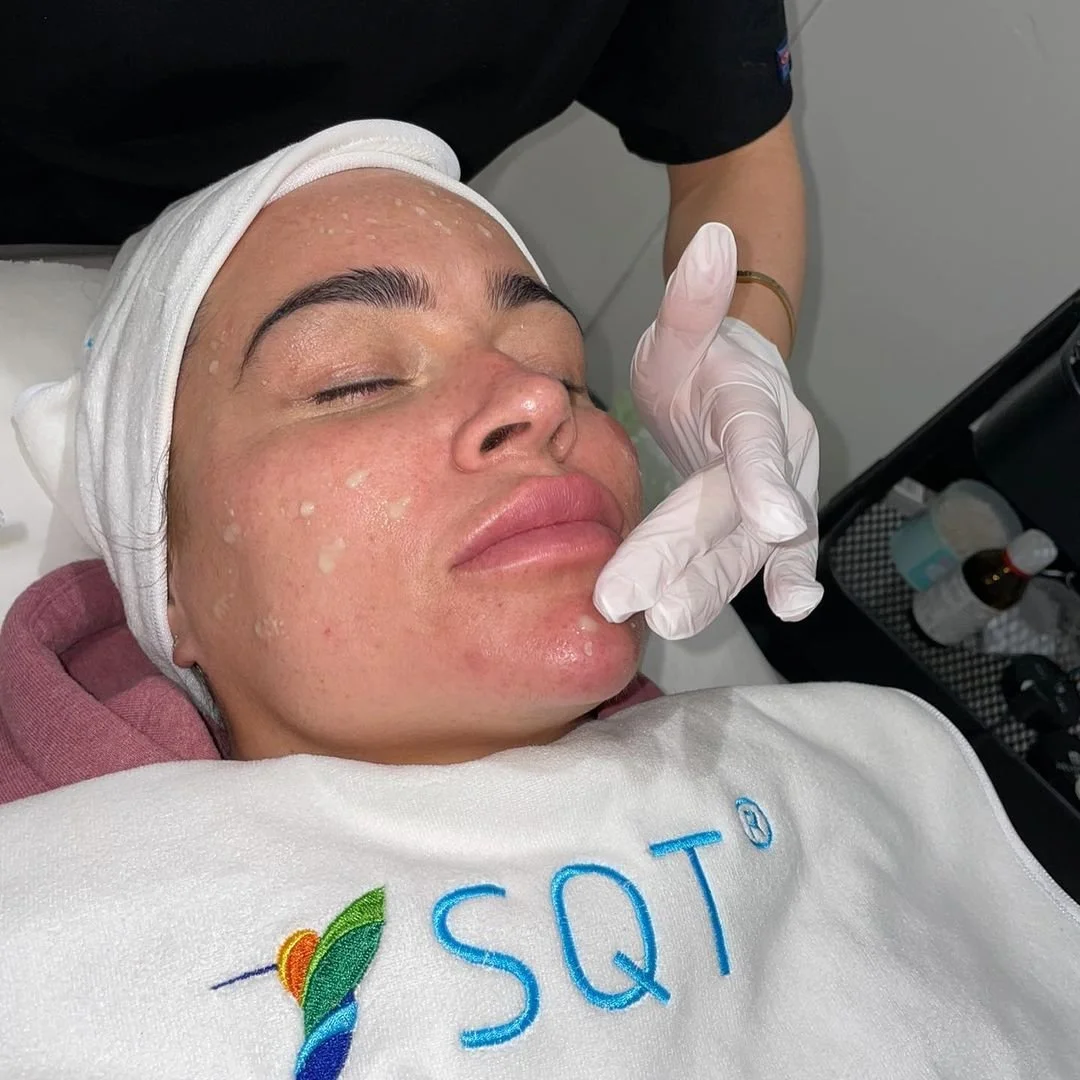
Using 99% pure freshwater spicules, SQT creates controlled micro-channels within the skin to encourage accelerated cellular turnover and collagen stimulation.
For clients on GLP-1 medications, this can be particularly beneficial because the treatment supports:
Skin renewal
Collagen production
Improved skin density
Enhanced circulation
Better nutrient delivery
Improved skin texture and brightness
Stronger barrier recovery
Reduction in dull, fatigued-looking skin
Importantly, therapists can customise protocols depending on the level of skin compromise.
The Importance of Skin Regeneration Over Aggression
One of the biggest mistakes therapists can make with GLP-1 clients is over-treating fragile skin.
These clients often need:
Progressive correction
Barrier support
Hydration restoration
Controlled stimulation
Reduced inflammatory load
SQT works well because it encourages the skin to function better biologically rather than simply forcing exfoliation.
This is particularly important for clients experiencing:
Thinning skin
Reduced elasticity
Post-weight-loss skin laxity
Sluggish healing responses
Pairing Internal and External Skin Health
GLP-1 clients should also be educated that skin health is not only topical.
This is an ideal opportunity to discuss:
Protein intake
Hydration
Essential fatty acids
Gut health
Sleep quality
Stress management
Collagen support
Anti-inflammatory nutrition
The best results often come from combining advanced clinical treatments with internal wellness support.
This holistic positioning also elevates the therapist from “beauty provider” to trusted skin health expert.
Treatment Planning Tips for Therapists
When treating GLP-1 clients:
Prioritise skin consultation and health history
Assess hydration levels carefully
Avoid over-aggressive resurfacing initially
Support barrier repair between treatments
Space treatments appropriately
Focus on progressive skin strengthening
Recommend supportive homecare
Clients may also require more education and reassurance, particularly if they are distressed by rapid facial ageing changes.
A Growing Opportunity for Skin Clinics
The GLP-1 category is expected to continue growing globally, meaning therapists will increasingly see these skin concerns in clinic.
Clinics that understand how to safely and effectively treat compromised GLP-1 skin will position themselves ahead of the market.
This is no longer just a weight loss conversation. It is becoming a skin health conversation too.
And advanced regenerative treatments like SQT Bio-microneedling are giving therapists a powerful new way to support clients through that journey.